
For Art’s Sake: How Process Art Builds Lifelong Skills
July 2026 | Kara Shoemaker
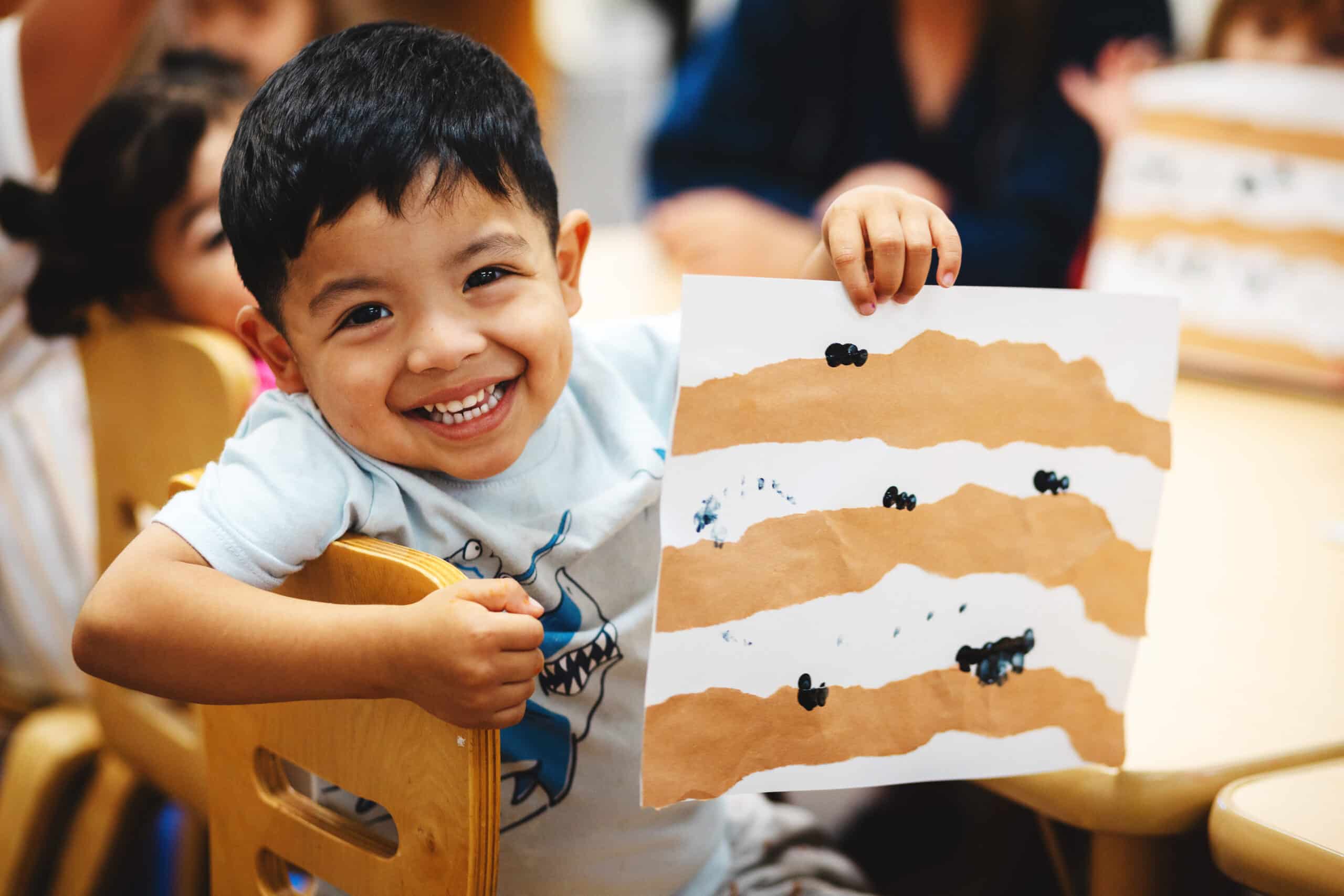
Tiny hands covered in paint. A sculpture made of sticks, feathers, and toilet paper rolls. A masterpiece that looks nothing like anyone else’s.
At LEAP’s Children’s Centers, these aren’t just art projects—they’re opportunities for children to explore, discover, and develop skills that will serve them for years to come.
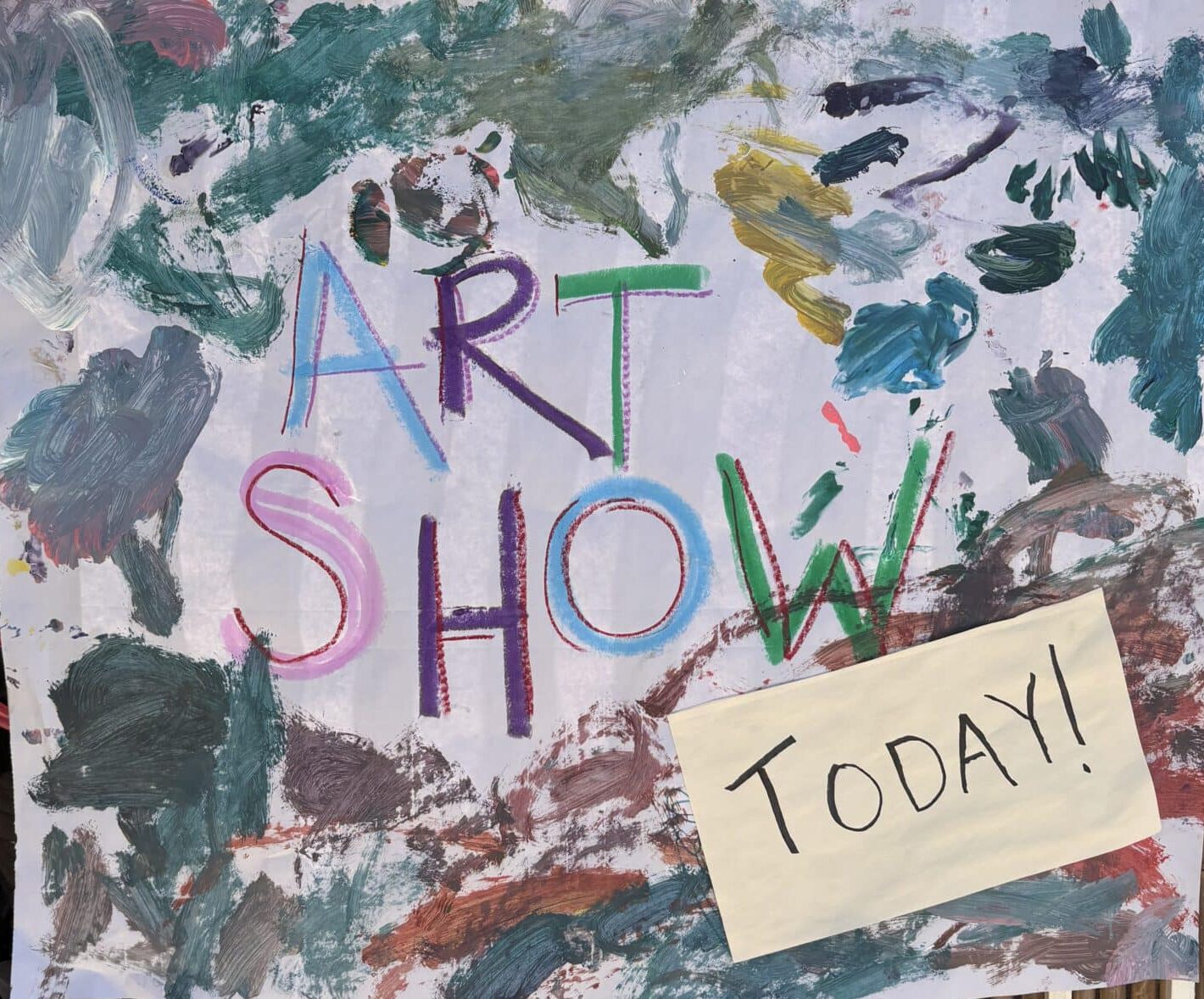 This summer, families gathered across LEAP’s Children’s Centers for our Process Art Show, celebrating artwork created by children from two years old through pre-kindergarten. The gallery was filled with colorful paintings, imaginative sculptures, and one-of-a-kind creations that reflected each child’s unique ideas and creativity.
Unlike traditional crafts, where every child follows the same directions to create the same finished product, process art emphasizes exploration over perfection. Children choose their own materials, experiment with different techniques, solve problems, and express themselves freely. The focus isn’t on what the artwork looks like—it’s on what children learn while creating it.
At LEAP, both product art and process art play an important role in our classrooms.
“Product art and process art are two different approaches to creative experiences. Both are very present in our classrooms. The product art approach focuses on the finished product while process art supports the creativity, sensory exploration, and the journey the child took to get there,” said Alyssa Vernoy, LEAP Site Supervisor.
Research shows that open-ended, child-directed learning experiences support the development of executive functioning—the brain skills responsible for planning, flexible thinking, self-regulation, and problem solving. According to the National Association for the Education of Young Children, process art also encourages expressive language, nurtures social and emotional development, and strengthens thinking skills by allowing children to explore materials without predetermined outcomes.
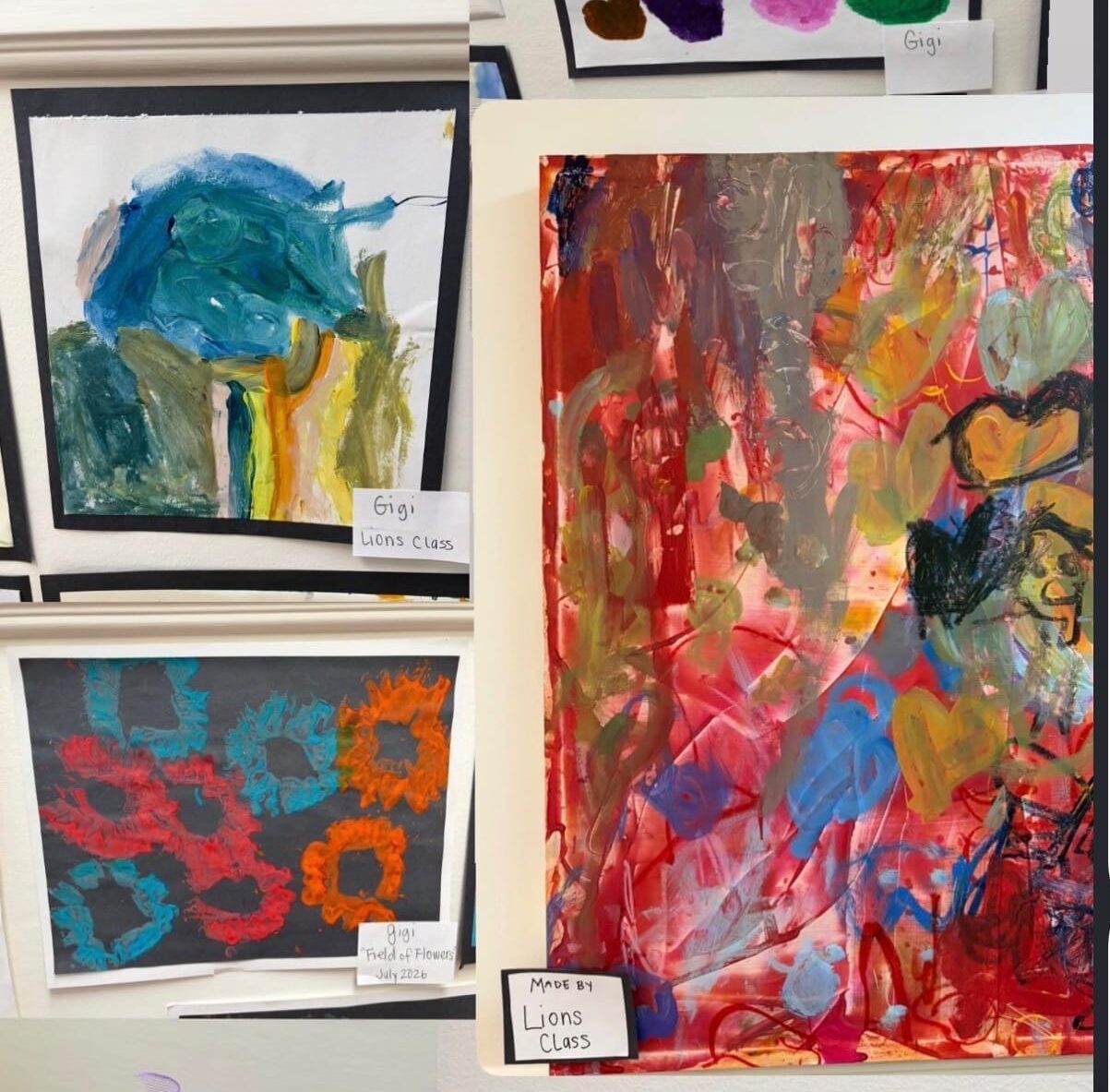
As families walked through the gallery, they saw more than beautiful artwork hanging on the walls. They saw children taking pride in their ideas, expressing themselves with confidence, and developing skills that extend far beyond the art table.
“Every brushstroke, squish of clay, and splash of color represents a child thinking, experimenting, and discovering,” said Lori Lander Goodman, CEO of LEAP. “When we value the creative process over a perfect product, we nurture confident, capable learners who know their ideas matter.”
At LEAP, we believe every child deserves opportunities to explore, create, and learn in ways that honor their individuality. Process art is one of the many ways we nurture curiosity, build confidence, and lay the foundation for lifelong learning.