

Why Does Childcare Cost So Much? Because It Has To.

May 2026 | Lori Goodman
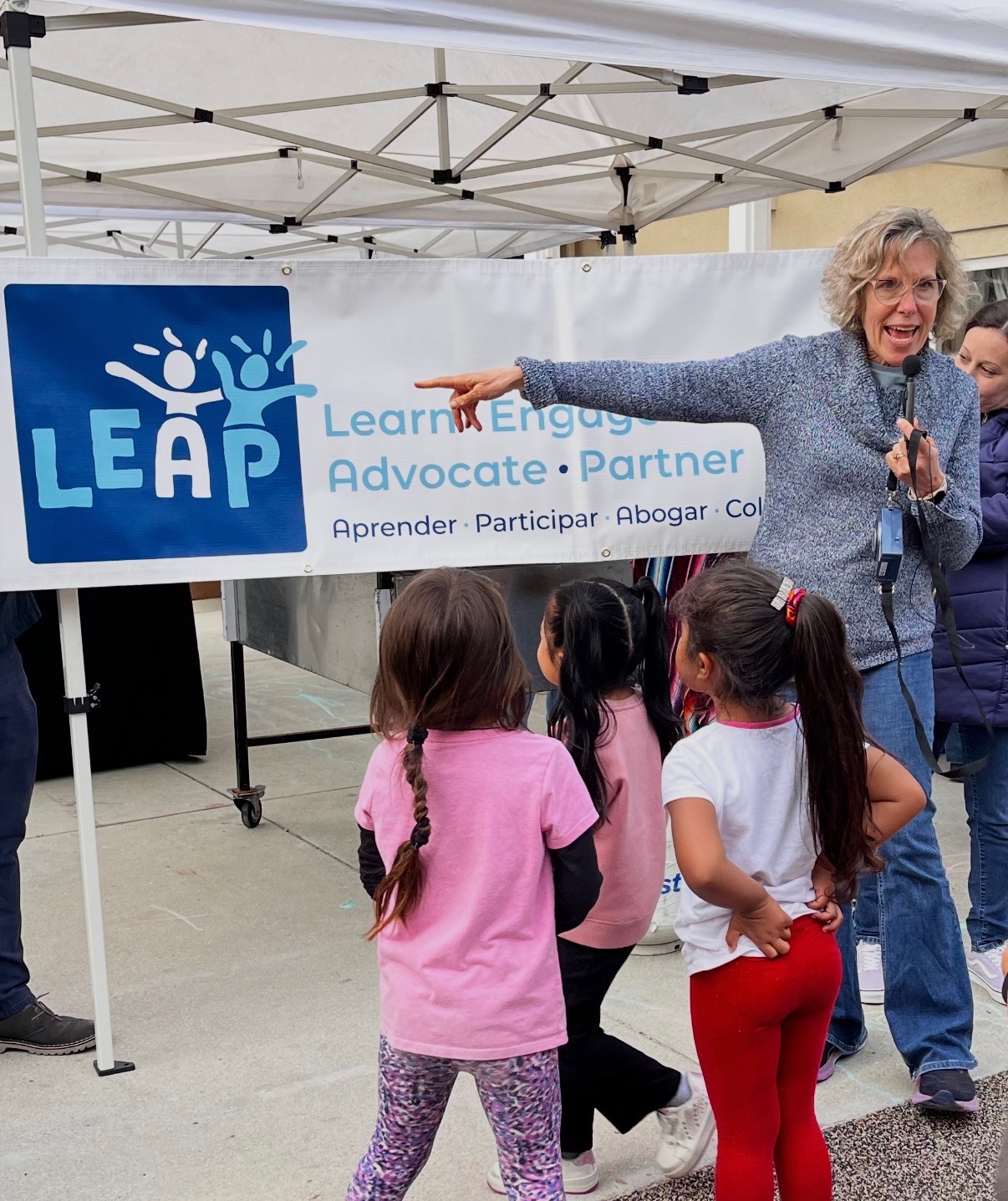
I hear it often — from parents, from neighbors, and from people who genuinely cannot believe the number on the invoice.
“How can childcare possibly cost that much?” It’s a fair question. And it deserves a real answer, because the price of quality childcare is not the result of anyone getting rich. It is the result of what it actually takes to care for very small children well.
Let’s start with the most basic fact: young children cannot be left alone. In most industries, technology and efficiency can reduce the number of people needed to deliver a service. Not here. A classroom of eight preschoolers requires a qualified adult present every single minute of every single day. You cannot automate that. The ratio of adults to children is not a policy preference — it is a safety and developmental necessity.
At LEAP, like all quality early childhood programs, we adhere to strict adult-to-child ratios. For infants, we maintain one adult for every three children. For toddlers, one adult for every four. For preschoolers, one adult for every eight. These are not arbitrary numbers. They reflect decades of research on what young children need to feel safe, to form secure attachments, to learn, and to thrive.
Now here is where the math gets complicated. Those ratios must be maintained at all times — which means we cannot simply schedule exactly as many adults as children require. Teachers get sick. They have children of their own who get sick. They need to eat lunch and are legally entitled to breaks. When a teacher steps out for fifteen minutes, someone qualified must step in. That means maintaining a staffing structure beyond the minimum, with trained substitutes ready to ensure no child is ever left without the care they need.
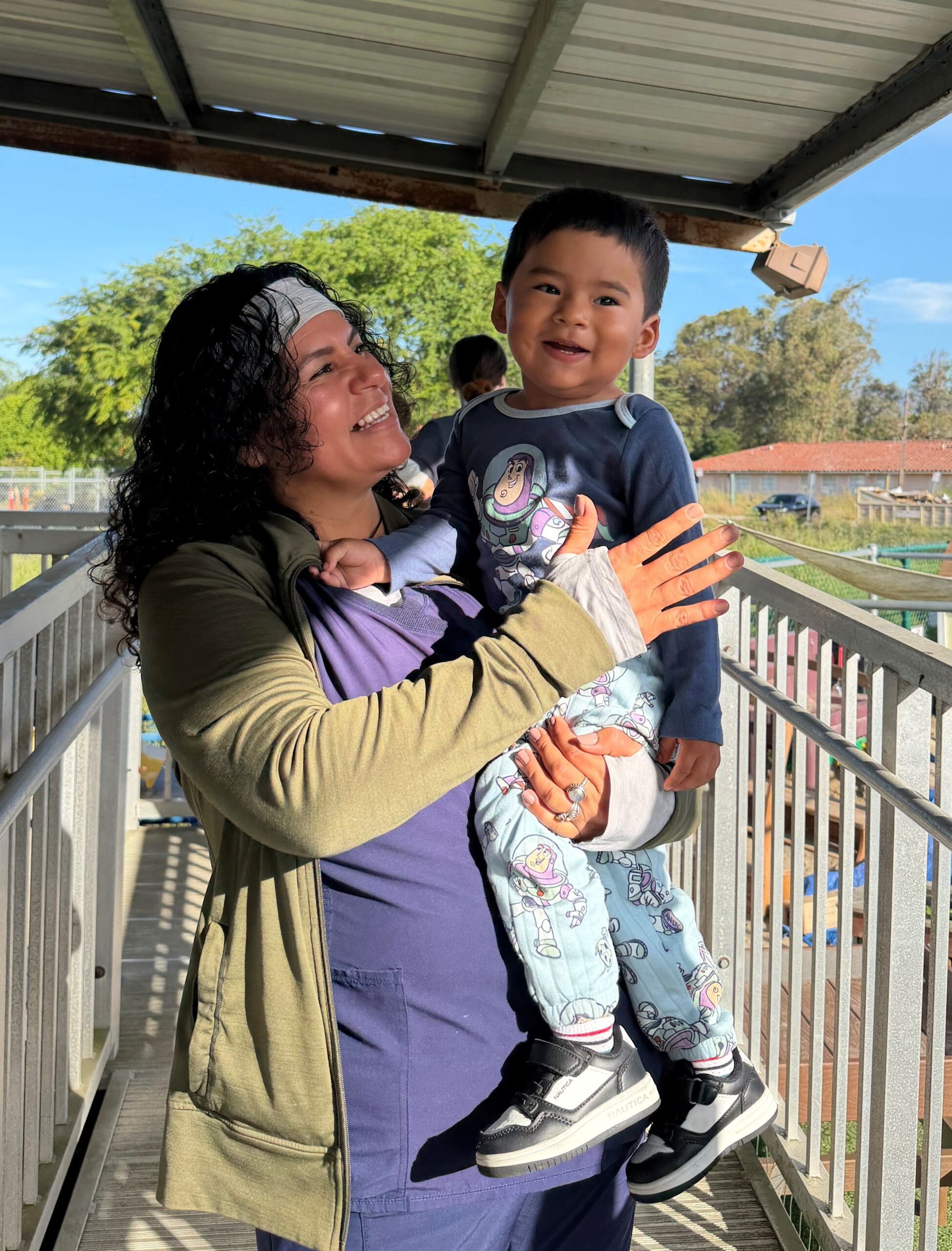 And who are these people? Early childhood educators are trained professionals who understand child development, who can recognize when a child is struggling emotionally or developmentally, who know how to build language and literacy through play. Many hold permits and degrees that took years to earn. All are required to complete ongoing professional development. This is skilled work, and it demands skilled people.
For state-funded programs like LEAP, there is an additional layer that most people never see: compliance and reporting. State-contracted programs operate under rigorous regulatory requirements — documentation of attendance, developmental assessments, family eligibility verification, health and safety inspections, licensing renewals, and more. These accountability measures come with real administrative costs built into the true price of quality, publicly accountable care.
And then there is the wage question. California’s reimbursement system for programs like ours was long built on a flat statewide rate that did not reflect regional realities. A 2022 reform moved rates to the 75th percentile of the 2018 Regional Market Rate survey — for Santa Barbara County, an increase from $48.28 to $62.03 per child per day. That was a real step forward. But the 2018 survey captured what providers were charging in 2018, not what it costs to deliver quality care today. And that rate has not been updated since.
In 2018, entry-level LEAP childcare workers earned minimum wage — $11.00 an hour. Most qualified for public benefits. Today, we will not pay less than $20.50, because that is what fast food restaurants pay with no education requirement. Our permitted teachers start at $25 an hour. We provide HMO health coverage and a 4% retirement match. These are not luxuries. They are the baseline of what it takes to keep qualified people in this field. And none of this is accounted for in a reimbursement rate still anchored to 2018.
Add it all together — the required ratios, the coverage staff, the professional workforce, the administrative infrastructure, the true cost of compensation — and you understand why childcare is expensive. It is, by its nature, a labor-intensive, relationship-driven, highly regulated endeavor. There is no way to do it well on the cheap.
Which brings me to why it matters so much that we do it well. The years from birth to five are the most consequential of human development. High-quality early childhood education prepares children for kindergarten and beyond, closing gaps before they open. It enables parents to work and contribute to our local economy. Study after study shows that every dollar invested in quality early childhood education returns multiple dollars to the community over time.
So when someone asks why childcare costs so much, here is the honest answer: because small children need real people, in real ratios, with real training, every single day. Because the work requires skill and dedication that deserves fair compensation. Because accountability to families and the public requires infrastructure. And because what happens in those early years matters enormously — not just to individual children, but to all of us. The question is not why it costs so much. The question is how we choose to share that cost — and what we risk losing if we don’t.